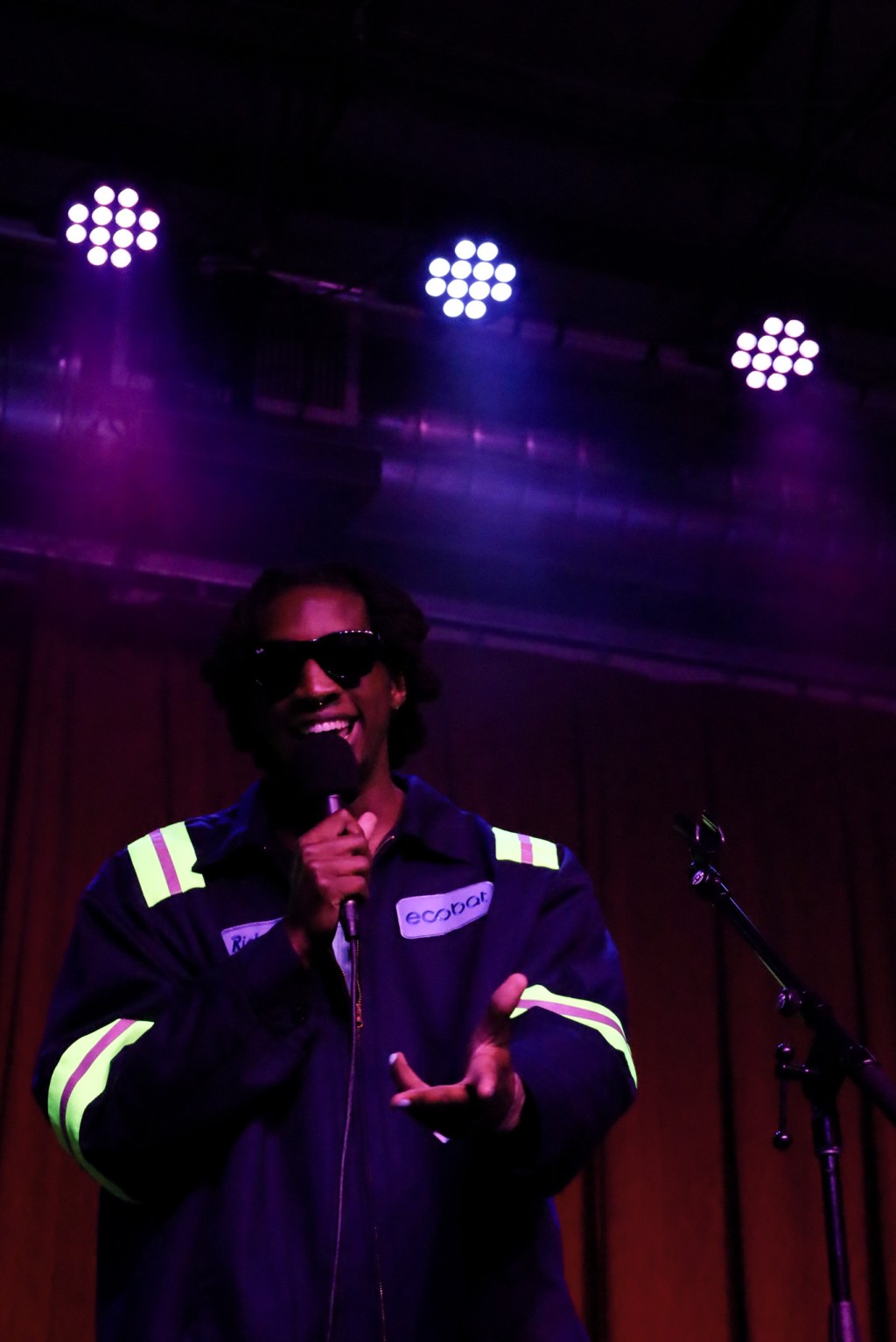
You can witness the mark of grief, if you recognize the signs. Consider the desire to share memories, good and bad, and the deep sigh when a sensitive one is found. Notice the simple items, like a denim jacket embroidered “F. Clark,” that draw wear. See the inked commitment to move forward, even if forward isn’t quite there.
On March 19th, 2023, I saw these signs on a familiar face. I sat down with Malachi Quarles, also known by the stage name Hughlander, to talk about the album he released just two days prior. A year and a half had passed since our last conversation, and, as I would soon learn, probably the most difficult year and a half of Quarles’ life.
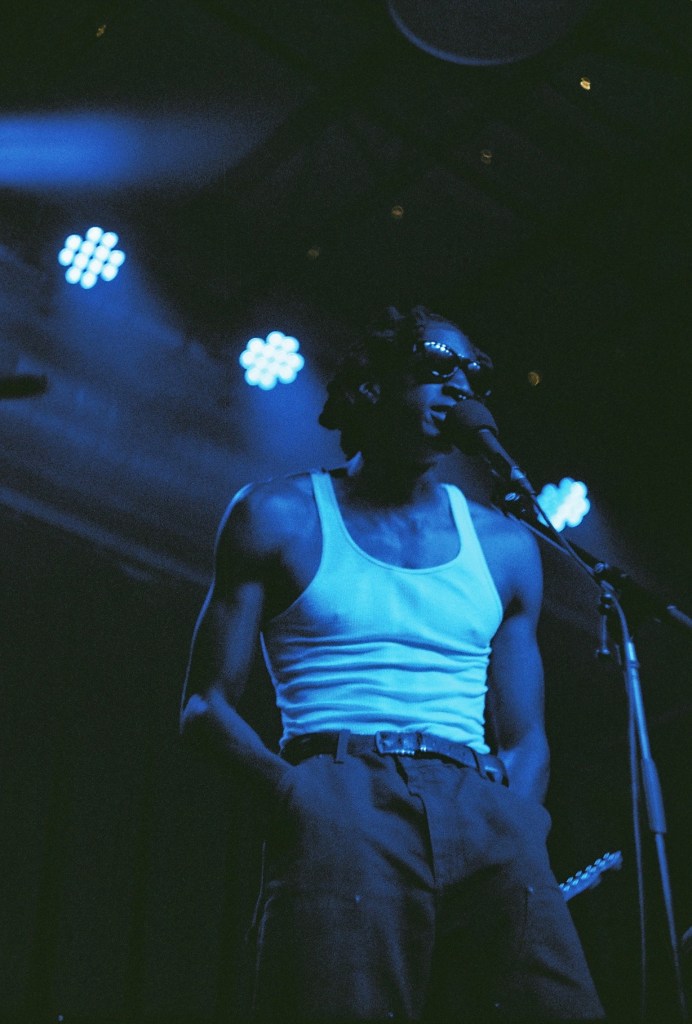
Whether through his radiant energy or bouncy demeanor, Malachi Quarles embodies a kindness that finds its way straight to your soul. His gravity blurs your surroundings and creates an orbit where honesty, transparency, and purity become natural. Even in introductory conversations, this character becomes immediately evident, and, as a writer, this made my job easy.
When we first sat down in November 2021, joking about our shared name in the depths of a college library, I found amazement in his ambition, creativity, and charisma. Quarles described his many extracurricular adventures, from track to fashion. He outlined his plans to grow the musical community, and it seemed the whole library stopped to say hello or subtly listen to his words. It’s not that everything in Quarles’ life rained gold, either—in fact, he lowered his voice to address feelings of depression and encounters with racism—but he offered a willingness to overcome and achieve no matter the challenge. In the end, I had to write two versions of my planned profile piece. One thousand words simply felt incredulous.
I don’t know if I met all of Malachi Quarles that day, but that’s how first interviews go. I reached out with the goal of a good article, and he provided what I sought. In true form, the piece centered entirely on Quarles, and, yet, the Kentucky-raised kid found a way to answer every question selflessly. Mutual friends have noticed this same trait after collaborating in the classroom, passing batons on the track team, or sharing a microphone on the stage. If you’ve never had the chance to engage with Quarles’ selflessness, you can hear it in his early productions. Under his middle and stage name, Hughlander, Quarles released his first formal album to streaming services in 2021, Dusty Orange. It’s a soulful and relaxed album featuring Hughlander’s signature bass and switching sonic qualities. Instrumental arrangements dominate the album, yet there’s a smooth, subtle voice that echoes behind the bass lines. You can probably guess who it is. Serving even his own creations first, Hughlander hides his vocal identity behind melodic concepts. The notes add an elevated, almost psychedelic quality to the album, but their back-seat feature makes it difficult to interact with Hughlander’s true artistry and true emotion.
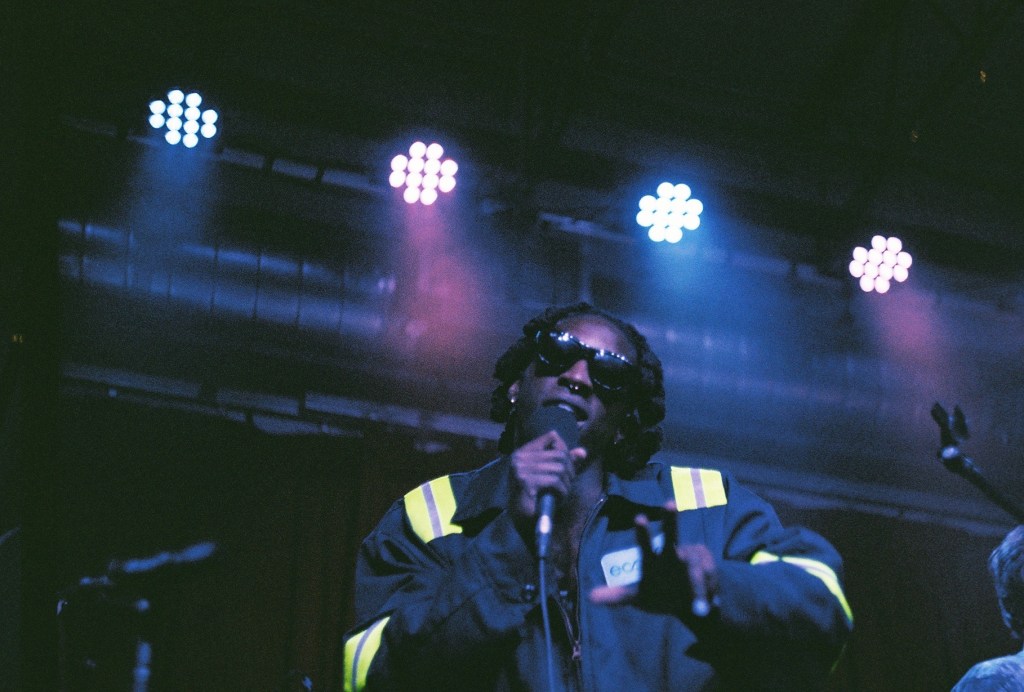
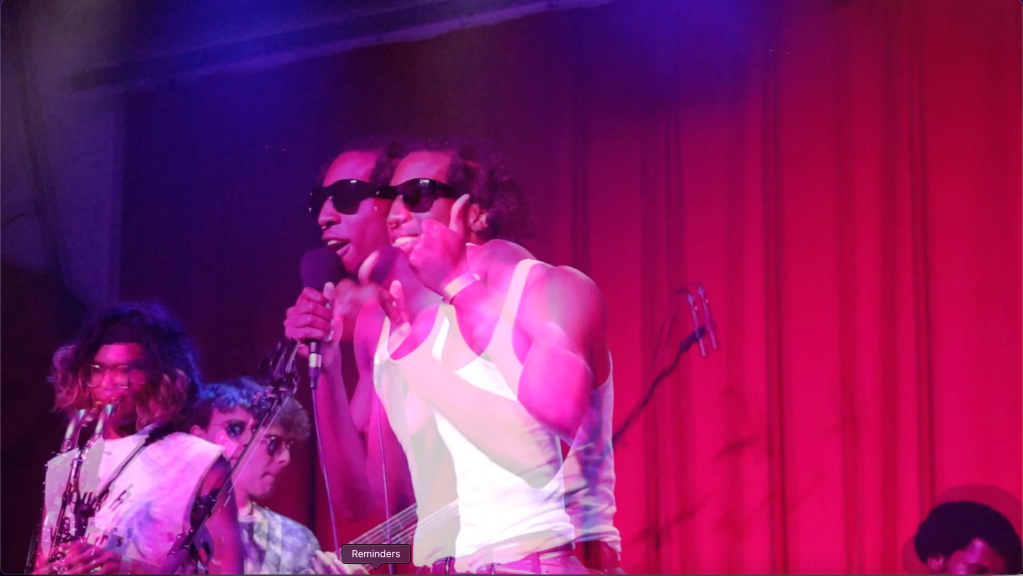
I’ve seen Dusty Orange and associated tracks performed live, twice: once on a makeshift, coffee-shop stage under a dimmed spotlight, and once in an intimate venue opening for another incredible artist and friend, Abe the Kid. It’s during these moments that Dusty Orange and Hughlander’s central character invited my stronger consideration. As the audience’s eyes followed Quarles’ every movement, their ears followed each finger’s twang, and their heart invested in the identity on stage, the songs rose above their sonic composition. The art suddenly reflected the artist, exposing an identity once hidden by antonymic hubris. The spotlights had to fade at some point, or they had to shine onto other faces, and when they did, Dusty Orange and its creator returned to their selfless status quo. I never forgot what I saw, or what I felt, or who I met in those fleeting highlights, but I also never encountered these things again. Well, until I sat at tall table in the center of a busy café, shook a friendly hand, and asked the first question, “So, catch me up. How’s life?”
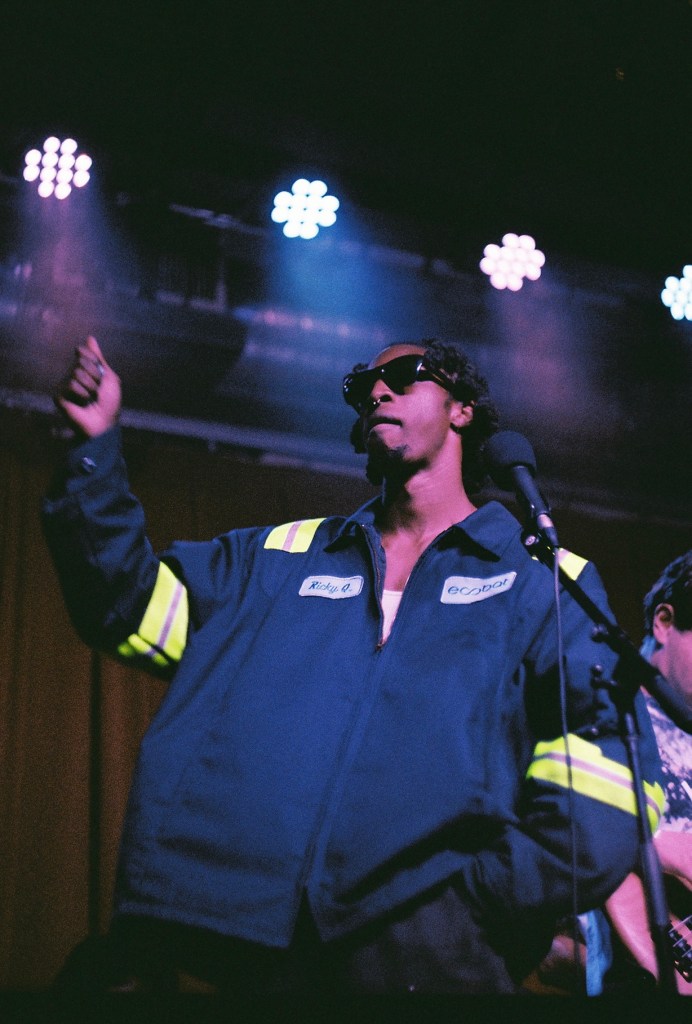
Between his grandfather’s passing, two intense heartbreaks, and the looming end to his college education, Quarles encountered 2022 as a year of disappearing comforts. The spaces he once found full of love had grown tense, and his energy to navigate stress was dwindling. For many, this mental exhaustion would restrict the ability, or desire, to be creative. However, for Quarles, it was just the opposite.
“It’s funny because a lot of the songs come when I’m exhausted, a lot of them come at night or when I’m so exhausted, I’m not thinking about class or anything like that, just my most emotional side,” said Quarles. As Quarles confronted the painful thoughts that come when sleep doesn’t, the concept for his next project manifested. What would eventually become a seventeen-song project started simply as Quarles’ reality: the reality of grief, the reality of love, and the reality of demo nights.
Murky, raw, and experimental, demo nights. details Quarles’ wrestles with relationships and his own identity. The young artist strikes listeners with his raw emotion while layers of unrefined instrumentals tumble and spiral through themes. His vulnerability and honesty are powerful, especially as he confronts ugly and unkind thoughts. We hear this dark morality on “dakota.” which features an uncharacteristic anger directed at a lost love, rightfully making Quarles nervous. “I was so scared people were gonna hate “dakota.” because I’m literally saying like “dumb *ss b*tch, dumb *ss hoe” that’s just so antithetical to who people see Malachi as,” said Quarles.
If you listened to Dusty Orange, the musical presentation on demo nights. would also feel antithetical. Where Quarles’ voice once faded behind instrumentals, it now defines his songs, singing and rapping and pouring soul into each track. Layered quick-cuts replace Dusty Orange’s bass-driven brightness, pulling the audience through Quarles’ turmoil. The dark, isolating emotion in songs like “GEPETTO,” “4eva,” and “Solo,” are “a dramatic shift from Dusty Orange. Like still my elements are there, it’s still Hughlander, but this is like Malachi more grown-up, he’s rapping more, and his lyrical content is so much more,” said Quarles.
From Mac Miller to Radiohead, there’s many famous examples of artists adjusting their styles between projects, but this transformation feels different. Quarles’ experimentation with raw tones and genres directly reflects his exploration of self. As the album resolves, the listener is not only witnessing an expression of grief but also the crystallization of an identity. It’s an idea that Quarles himself shared: “I was learning who I am as a man last year, and who that is aside from my dad, aside from my grandfather, who I am,” said Quarles.
With his reference, it’s important to note the role of family and friends on Quarles journey. We hear the guiding presence of a father on “nye / baba talk;” the kind sprit of Fendrich Clark, his late grandfather, on “an ode to papa;” and the honest trust of a close friend, 4everchosen, on “things I learned…” Eight musical artists (and one dog) also contribute their creativity, providing Quarles with support, perspective, and open hearts.
But not all relationships are so symbiotic, and with demo nights., there’s always a darker twinge. The album describes how Quarles threw himself into one-sided relationships and eventually lost his direction in the process. After all, the artist considers himself “a light in people’s lives, and that’s so exhausting, just caring about people more than they care about themselves, to where like 90% of my day, I’m caring about somebody else,” said Quarles. Healing from grief is an active process, and it takes more than 10% of your day. Manifesting an album is an involved process, and it takes more than 10% of your creativity. Becoming who you deserve to be is an investment, and it takes more than 10% commitment. Through demo nights. Quarles dedicated his energy, bit by bit, onto himself. To heal and to grow, Quarles decided, “I had to start being selfish for myself, and I’m still working on it because I’ve never been like that. I talked to my dad a few hours before the funeral…and he was like ‘your entire life you’ve never been a selfish person, and that’s come to your detriment.’”
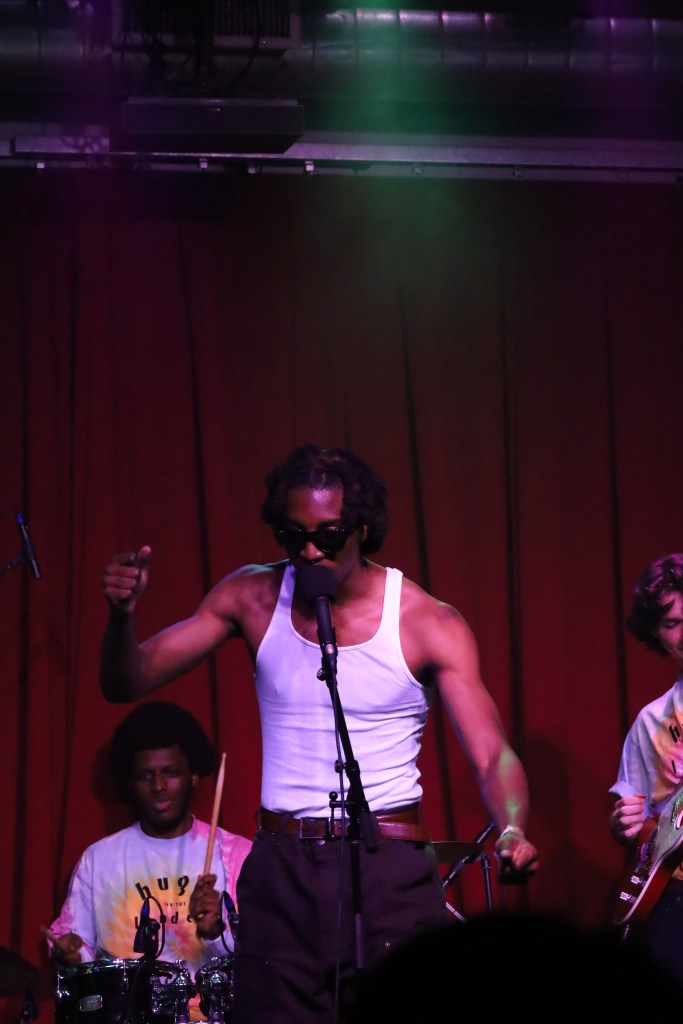
Quarles and his experience with demo nights. embodies grief as a transformative process. He confronted grief’s cold, isolating grip and was forced to examine himself in the darkness. He embraced art and expression to navigate his emotion and conflict. He emerged with a renewed identity that acknowledges his relationship to, and transcendence of, his own grief. In one of the final moments of demo nights. Quarles admits it plain, “As bad as its been and as hard as it’s been, I wouldn’t have wanted it any other way, really, because of what I’ve learned now and who I am now.”
On March 19th, Quarles radiates the energy of a newborn puppy: brave, kind, and still stumbling due to his developing eyes. He’s freshly tattooed with the Sun of May and pierced through his septum, which he explains represents strength in some African tribes and manhood in Native American cultures. He presents all the signs that demo nights. worked, that he’s healed, that he’s a new man, but those subtle scars betray his recent past. Scars that will only continue to fade, but never truly disappear.
 Hugh T. Brooks
Leave a comment