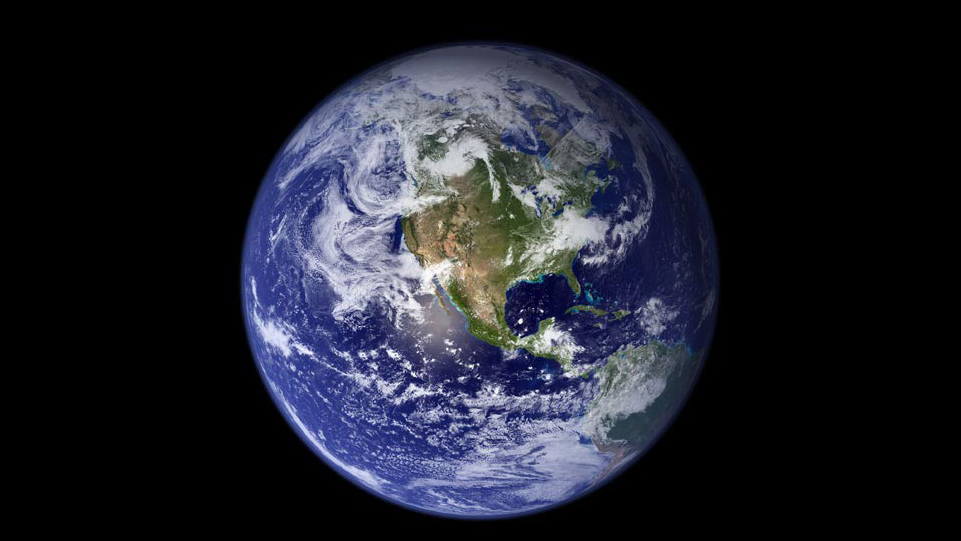
On Dec. 21, 2012, the world was supposed to end. The Mayan Calendar predicted the end of the world marked by raging natural disasters and a supernatural apocalypse. Eight years later, Earth still stands, but frightening, apocalyptic predictions seem to be more real than ever in the face of climate change. 2019 was the last year to claim ignorance. It is time to drop climate denial, accept responsibility, and take effective action to save the planet. Seriously, what would 2019 be without the imminent existential threat of climate change?
This past year left no doubt that climate change exists. According to NASA, 2019 was the second hottest year on record with an average temperature increase of nearly one degree celsius across the globe, and the past decade was the hottest ever. NASA also reported a 12.85% decrease in Arctic Sea Ice over the decade. Scientists have long warned that this could precipitate extreme and intense changes in weather patterns. Raging wildfires, torrential storms and unpredictable periods of flooding and droughts this past year confirmed scientist’s worst fears. Let’s look at a few of the many disasters that hint towards a devastating future.
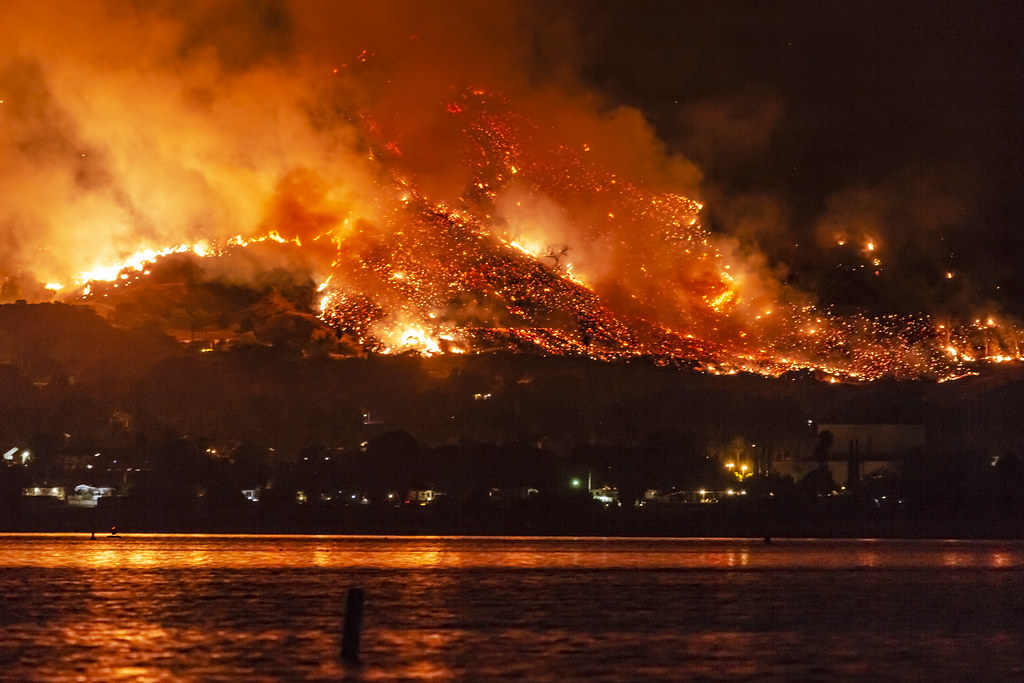
The Amazon rainforest, California and Australia all saw widespread wildfires rip through forests and towns alike. In Brazil, slash-and-burn deforestation methods led to uncontrollable fires in June and July destroyed roughly 3,500 square miles of the Amazon rainforest, the biggest carbon sink and source of oxygen for the planet. Climate change and rising global temperatures lengthened the rainforest’s dry season, facilitating the spread of these fires. Mining and logging companies are thought to be the cause of the fires, using controversial slash-and-burn deforestation methods by burning patches of forest in order to clear them for use.
California faced similar problems in October and November, with numerous fires causing roughly $25 billion in damages per one report by Christian Aid. These fires burned roughly 406 square miles, and many of them affected structures and cities in the densely populated state. California has long struggled with drought and long dry seasons, contributing to the rapid, hot and uncontrollable fires.
In December, Australia began its own struggle against wild bushfires that have yet to be fully contained. Extreme heat and dryness throughout the province of New South Wales have placed many animals, towns and firefighters in danger as fires continue to rage.
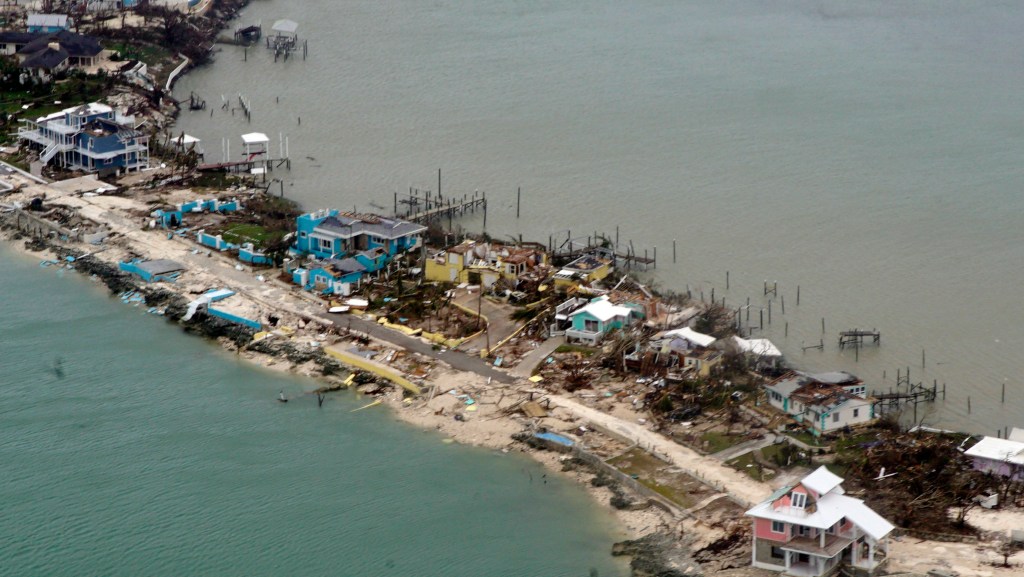
Severe storms, particularly in east Asia and the Carribean, have affected numerous communities as warmer water creates more intense monsoon and hurricane seasons. Typhoon Lekima was one such storm that caused the death of at least 56 people in East China in August 2019. China Daily reported it was one of the costliest in China’s history, resulting in damage estimates of up to 51.5 billion yuan, or $7.35 billion.
In North America, Hurricane Dorian left many residents of the Bahamas in distress as the category five storm ravaged the islands in September. The Tribune reported the death toll at roughly 70 as of late November, and many are still missing. The Weather Channel estimated the damages at $3.4 billion, easily the costliest storm the Bahamas has ever faced.
Despite NASA and other science organizations’ studies providing a mountain of evidence of a changing climate, denial remains widespread in both governments and the people they represent. For example, the U.S. is expected to formally withdraw from the Paris Accord in 2020 under President Donald Trump. Elsewhere in the world, one United Nation Environment Programme report from 2018 states most of the G20 countries are failing to hit their emissions goals.

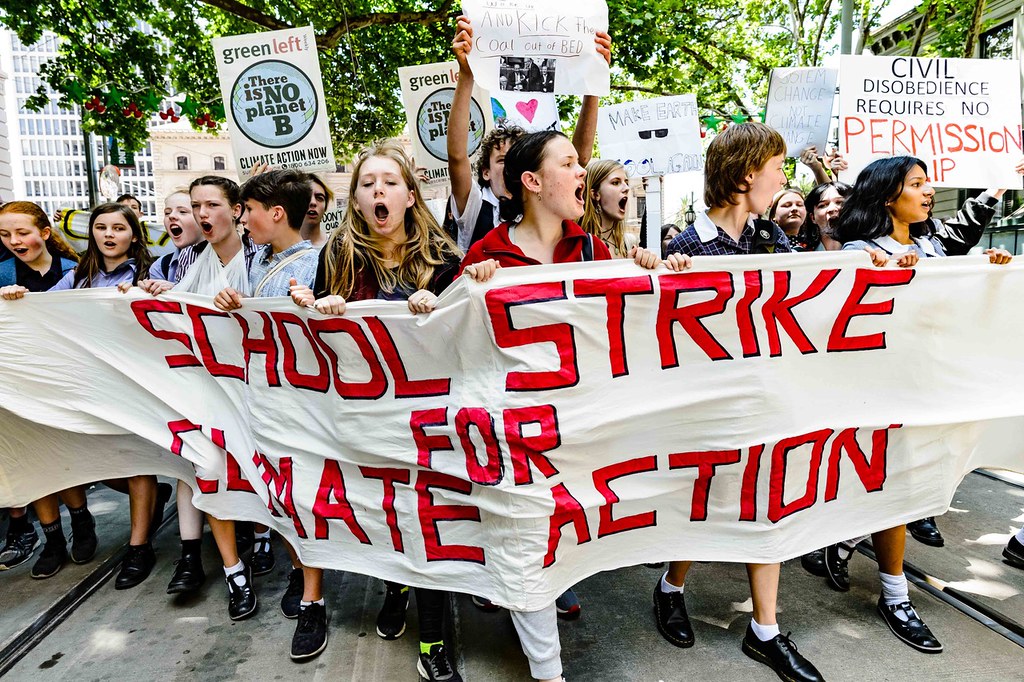
In a more positive light, 2019 also saw youths such as Greta Thunberg, a 17-year-old activist from Sweden, fight for their future, leading climate strikes and other movements toward a sustainable global community. Young people have become increasingly frustrated with the slow and stagnant progress on climate policies. Around the globe, they have called out businesses, administrations and systems that put money ahead of the planet’s health.
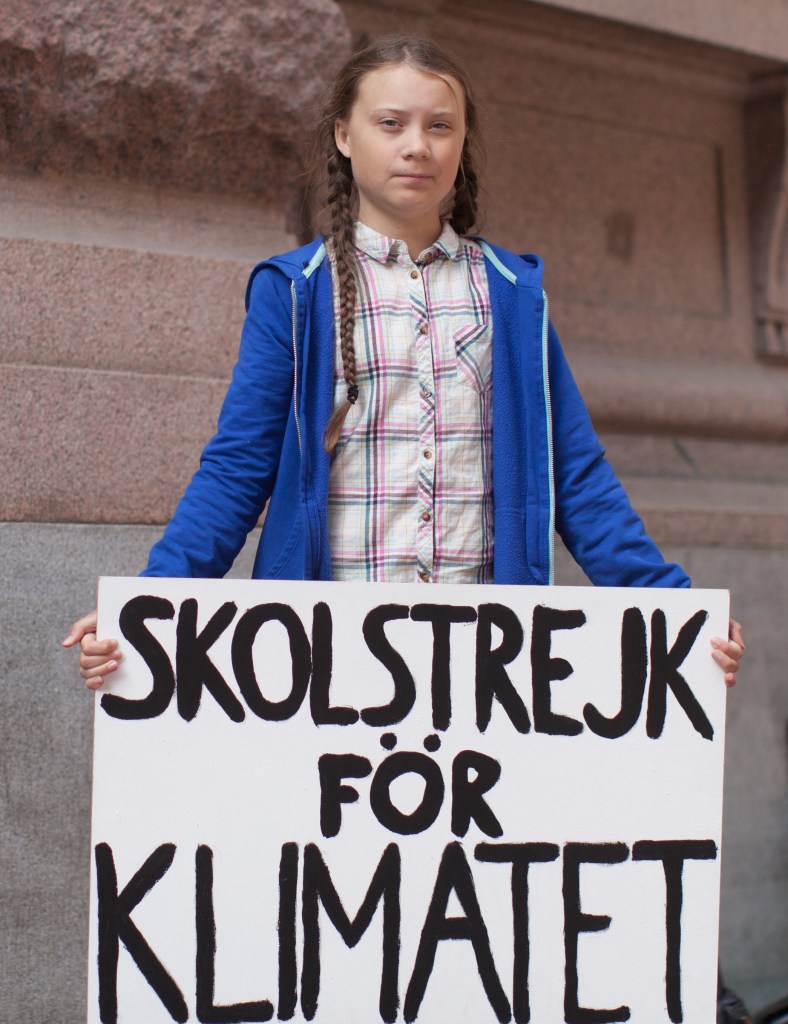
Thunberg, the leader of the student climate strikes movement around the world, highlighted this past year as one for change. She was named Time Magazine’s Person of the Year as she helped structure and organise numerous protests and strikes around the world. During September’s demonstrations, 350.org, the group who helped organize the events, reported an estimated 7.6 million people participated in protests worldwide. With their future in mind, young people are standing up for their right to the Earth.
So what’s next? The United Nations’ sustainable development goals, including one on climate action, hit their deadline in 2020. Now that time has run out, governments and people alike must wake up to the looming problems that are no longer simply predictions or “problems for later.” There is growing pressure both in the United States and abroad for new policy and consideration of the environment.

In the United States, the 2020 presidential election is on the horizon and climate change strategies are a focus for many candidates and voters. Bernie Sanders is the most prominent advocate for climate action, though leading Democrat candidates Elizabeth Warren and Joe Biden have also put forward plans to invest in renewable energy and new technology.
On Wednesday, the European Union announced a $1 Trillion “green deal” plan to invest money from both public and private sectors to combat climate change. It is a massive and powerful deal that hopes to chart a path forward for other organizations, corporations and countries.
As 2019 fades into the sunset and 2020 looms on the horizon, climate change has become the next great global challenge. The evidence is solid, the consequences are here, ignorance is a thing of the past and the time for action is now.




 Hugh T. Brooks
Leave a comment